
How to use Mi Teleférico in La Paz
Buy tickets, change lines and plan useful Mi Teleférico routes between central La Paz, El Alto, Sopocachi and the Zona Sur.
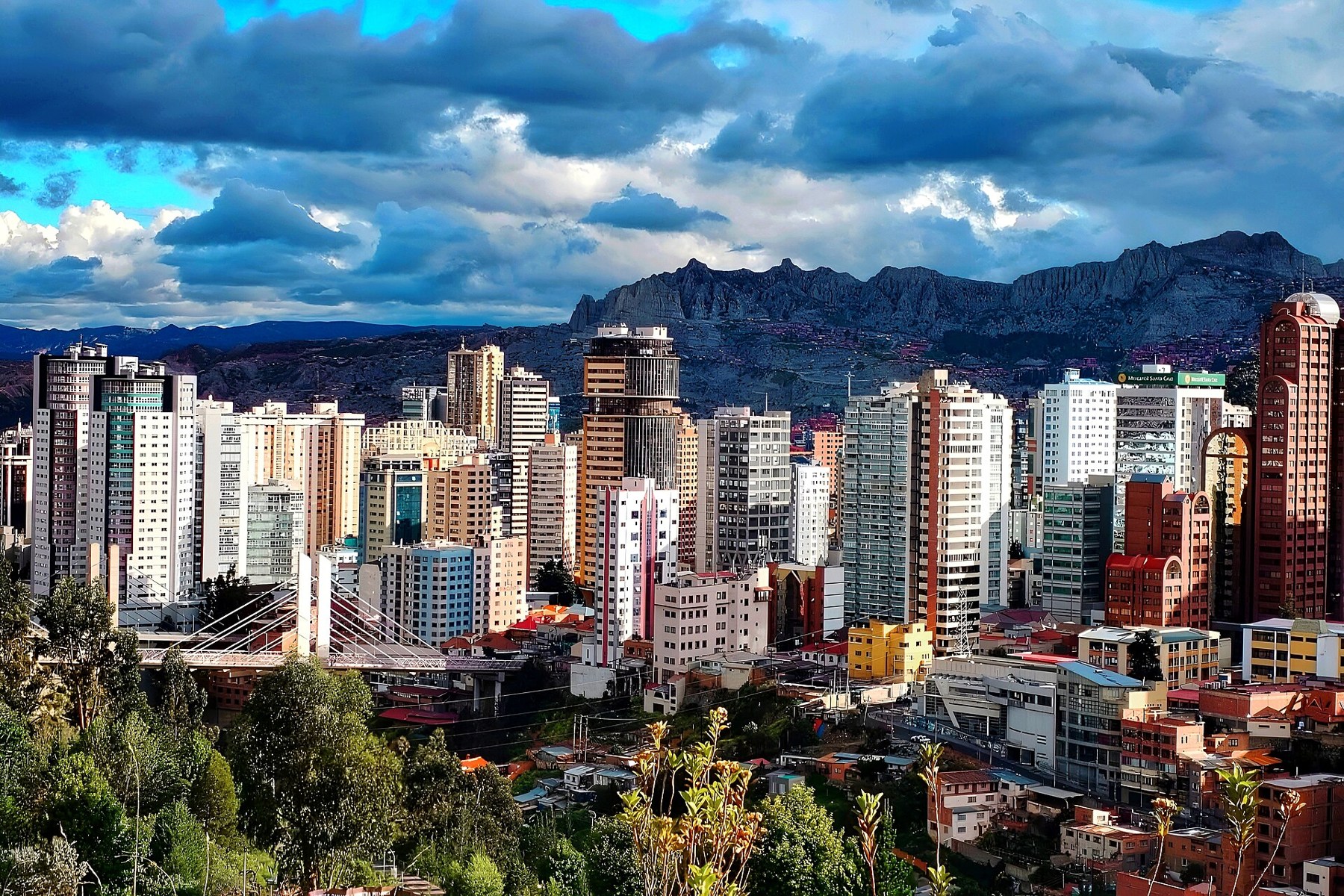
Mi Teleférico is public transport, but it is also a useful way to understand the geography of La Paz. Its 10 colour-coded lines connect the basin with El Alto, Sopocachi, Obrajes and Irpavi. Visitors use the same general fare as other passengers.
For a first ride, the most informative continuous route is Red → Silver → Yellow → Light Blue, from Central to Prado via El Alto and Sopocachi. It costs Bs 9 if you make all three transfers without leaving the system.
Tickets, fares and hours
For an occasional journey, buy a ticket at the station ticket office and pay in bolivianos. Cash is the simplest option for most overseas visitors; carrying small notes or coins is helpful. A rechargeable card is unnecessary for just a few rides.
The general fare is:
- Bs 3 for the first line
- Bs 2 for each connected transfer
Bolivia’s Ministry of Public Works confirmed those fares in January 2026. The same notice gives regular hours of 06:30–22:30 Monday to Saturday and, at that date, 07:00–21:00 Sunday (Ministry of Public Works). A later September report said Sunday service had been extended to 06:30–22:30, so check the operator’s current notice before relying on the final departure, particularly on Sundays and holidays (Turismo La Paz).
How transfers work
A transfer means changing lines at an interchange station without exiting to the street. Follow the signs for the next colour and pay or validate the Bs 2 transfer fare at the connecting gate.
If you leave the system—for a walk around El Alto, for example—the next boarding starts a new journey at Bs 3. This distinction matters when calculating a sightseeing route.
The main interchange stations are:
- Central (Taypi Uta): Red and Orange
- 16 de Julio: Red, Blue and Silver
- Faro Murillo: Silver and Purple
- Mirador: Silver and Yellow
- Libertador: Yellow, Green and Light Blue
- Avenida del Poeta: White and Light Blue
- Plaza Villarroel: Orange and White
- Monumento Busch: White and Brown
Station signs may use Spanish and Aymara names: Taypi Uta, for example, is Central. The Ministry’s line-by-line station list confirms the sequence and published end-to-end time for each line.
Three useful visitor routes
1. Central–El Alto–Sopocachi–Prado
Red → Silver → Yellow → Light Blue Continuous fare: Bs 9
- Board the Red line at Central (Taypi Uta).
- Ride through Cementerio to 16 de Julio in El Alto.
- Transfer to the Silver line toward Mirador.
- At Mirador, change to the Yellow line toward Libertador.
- At Libertador, take the Light Blue line to Prado.
This route shows the city’s vertical form particularly clearly: Red climbs from central La Paz to the altiplano, Silver follows the edge of El Alto, and Yellow descends above the western slopes and Sopocachi. Prado leaves you by the central avenue rather than back at Central station.
The published end-to-end times for the four lines add up to about 50 minutes. Allow about 60–75 minutes for the ride and station changes; that is planning guidance, not a timetable.
To explore El Alto on foot, exit at 16 de Julio and begin a new paid journey when you return. Do not count that stop as a connected transfer.
2. Prado to the Zona Sur
Light Blue → Green Continuous fare: Bs 5
Board the Light Blue line at Prado toward Libertador, then transfer to the Green line for Alto Obrajes, Obrajes or Irpavi.
Choose this route when the destination—not only the view—is in the lower, southern part of La Paz. “Zona Sur” covers a broad area, so check which station is nearest the actual address and expect that an onward walk or road journey may still be necessary.
For the return, reverse the sequence. Light Blue also connects with White at Avenida del Poeta, but that detour is useful only if Plaza Villarroel or the eastern side of central La Paz is your destination.
3. An eastern cross-city ride
Orange → White → Light Blue Continuous fare: Bs 7
Start at Central on Orange, change at Plaza Villarroel to White, then change at Avenida del Poeta to Light Blue. Finish at Prado or continue to Libertador.
This route is less about the dramatic climb to El Alto and more about connecting Central, Miraflores and the Avenida del Poeta corridor. The short Brown line branches from White at Monumento Busch toward Las Villas; use it for that destination rather than adding it merely to ride another colour.
How to read the network
Use the line colour and terminal station together. “Red” is not enough at an interchange: check that the platform direction names the terminal you need. A note such as Red to 16 de Julio → Silver to Mirador → Yellow to Libertador is more useful than a list of colours alone.
Cabins circulate continuously, so there is no individual departure to reserve. At an interchange:
- Check the terminal shown for the next line.
- Follow signs in the matching colour.
- Use the transfer route rather than the street exit.
- Keep your ticket until the gate has accepted it.
Mi Teleférico is not a hop-on, hop-off attraction. Every street exit ends the connected journey, and re-entry starts a new one.
Practical choices
- Consider acclimatisation before an El Alto outing. The upper part of the network is considerably higher than central and southern La Paz. The cabin avoids an uphill walk, but leaving a station still means moving around at altitude.
- Sightsee outside commuter peaks when possible. Mi Teleférico is an urban transport system, and off-peak cabins and interchanges are generally easier to navigate.
- Check service notices on the day. Holiday schedules, maintenance and disruptions can affect individual lines.
There is little reason for a first-time visitor to ride all 10 colours. The Red–Silver–Yellow–Light Blue route explains the relationship between La Paz and El Alto; Light Blue–Green is the practical extension when the day continues into Obrajes or Irpavi.